
Estimated reading time: 6 minutes
Key Takeaways
- We are using technology and digital solutions to modernize transportation infrastructure, focusing on tailored digital transformation for major programs.
- Our PMIS services streamline program management by providing a centralized platform that enhances visibility, consistency, and control.
- iNET® is an advanced management system that leverages AI and ML to enhance the efficiency and safety of transportation networks.
How is Parsons using technology and digital solutions to modernize transportation infrastructure?
We combine proven program management oversight (PMO) with practical, agency-focused digital transformation that improves how major transportation programs are delivered. We bring not only the ability to implement technology, but also the expertise to align digital tools with the governance, controls, and reporting demands of large, complex capital programs.
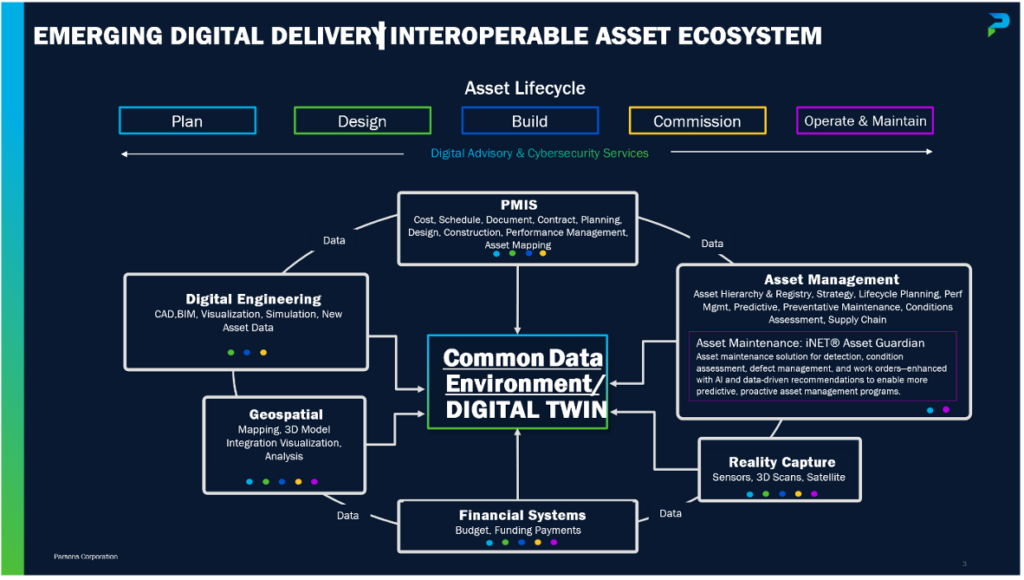
We focus on turning technology into measurable program value and configure digital solutions to support agency-specific business processes, approval paths, and oversight requirements, helping reduce manual effort, eliminate information silos, improve accountability, and strengthen consistency across the program. Rather than applying a one-size-fits-all system, we deliver a scalable framework tailored to the operational needs of our clients.
From transportation to aviation, we’ve been able to modernize infrastructure through advanced digital solutions. Examples of this include our work on the Hudson Tunnel in New York City, where we’ve used technology to manage RFIs and submittals and track cost reporting and change management. Additionally, we’ve implemented digital solutions for various airport improvement projects at the Fort Lauderdale, FL, airport; Fort Myers, FL, airport; Raleigh-Durham, NC, airport; Memphis, TN, airport; and Knoxville, TN, airport.
How do Parsons’ PMIS services streamline program management?
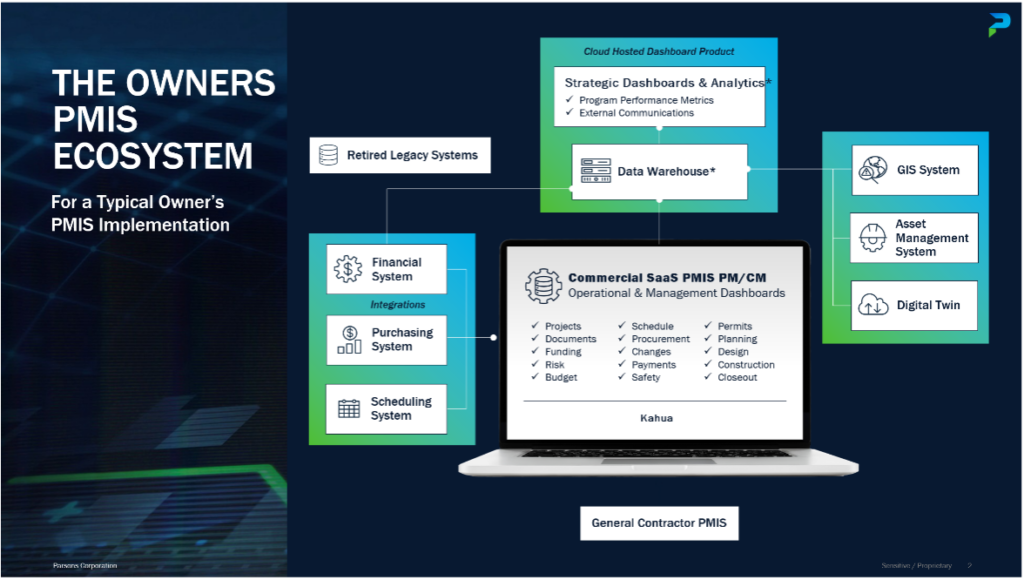
Our program management information system (PMIS) services can streamline program management for clients by providing a centralized digital platform that improves visibility, consistency, and control across large and complex transportation programs. This service integrates cost, schedule, risk, document management, workflows, and reporting into a single system, reducing reliance on manual processes and disconnected tools.
This approach helps clients standardize program controls, accelerate reviews and approvals, improve coordination among agency staff, consultants, and contractors, and provide leadership with real-time insight into program performance.
How does PMIS benefit clients?
A PMIS benefits clients by providing a single, reliable source of truth for managing program information across the full asset lifecycle. Rather than relying on separate spreadsheets, emails, and standalone tracking tools, PMIS brings together cost, schedule, risk, documents, workflows, and reporting in one centralized platform. This improves data consistency, reduces duplication, and gives clients better visibility into overall program performance.
PMIS also helps clients streamline processes and improve efficiency. Routine tasks such as document reviews, approvals, change tracking, invoice processing, and status reporting can be automated through standardized workflows. This reduces manual effort, shortens turnaround times, and helps ensure that processes are followed consistently across projects and stakeholders. A PMIS allows trends to be identified early and corrective action to be taken before problems can grow, creating more proactive program management.
As part of our work at Houston Airport, we built out Power BI dashboards and reports that tracked costs and helped implement cost management solutions. It was so successful that the airport’s facilities management group has chosen to implement this technology as part of other larger capital improvement projects. They’re expanding the technology’s functionality at a crawl, walk, run pace so that it is implemented in a phased progression to match growth and overall need.
What is iNET® and how is it valuable to clients?
iNET® is an advanced transportation management system. By applying state-of-the-art operational solutions and leveraging artificial intelligence (AI) and machine learning (ML), iNET® helps improve the management, efficiency, effectiveness, and safety of transportation networks, big or small.
Our award-winning advanced traffic management solution is flexible and scalable, designed to meet our clients where they are, regardless of the size of their operations. By integrating data from multiple sources, iNET® creates a “single pane of glass” to help operators quickly identify issues and rectify problems, proactively improving performance for the travelers they serve.
What does being a trusted partner mean to Parsons?
To us, being a trusted partner means more than delivering technical services; it means working as an extension of the client’s team and consistently acting in the client’s best interest. We build trust through transparency, accountability, responsiveness, and a clear commitment to helping our clients achieve their program goals.
Being a trusted partner means listening carefully, understanding the client’s priorities, and aligning our approach with their specific needs, challenges, and objectives. It also means providing honest, informed guidance, identifying risks early, communicating clearly, and bringing forward practical solutions that support sound decision-making.
At Parsons, trust is earned by delivering consistent results, maintaining strong stewardship of public resources, and fostering collaboration among all stakeholders. We understand that for agencies managing complex transportation programs, reliability and credibility are essential. Our role is to provide leadership, expertise, and support that help clients move forward with confidence.
In practice, being a trusted partner means being committed to:
- Acting with integrity and professionalism
- Being proactive rather than reactive
- Maintaining open and transparent communication
- Adapting to the client’s needs and operating environment
- Focusing on long-term value, not just short-term tasks
Ultimately, we define a trusted partnership as one built on performance, accountability, and a shared commitment to successful outcomes.