From TRS To Parsons: A Personal Reflection On Growth, Innovation, And One Parsons
Estimated reading time: 4 minutes
Key Takeaways
- Emily Crownover reflects on her 20-year connection with TRS and her rewarding contributions to environmental technology.
- The cultural synergy between Parsons and TRS focuses on technical excellence, innovation, and community impact.
- Parsons invests in PFAS treatment through its Internal Research and Development (IRAD) Program, enhancing TRS’s capabilities.
- The collaboration among colleagues at Parsons fosters innovation and emphasizes a shared commitment to solving environmental challenges.
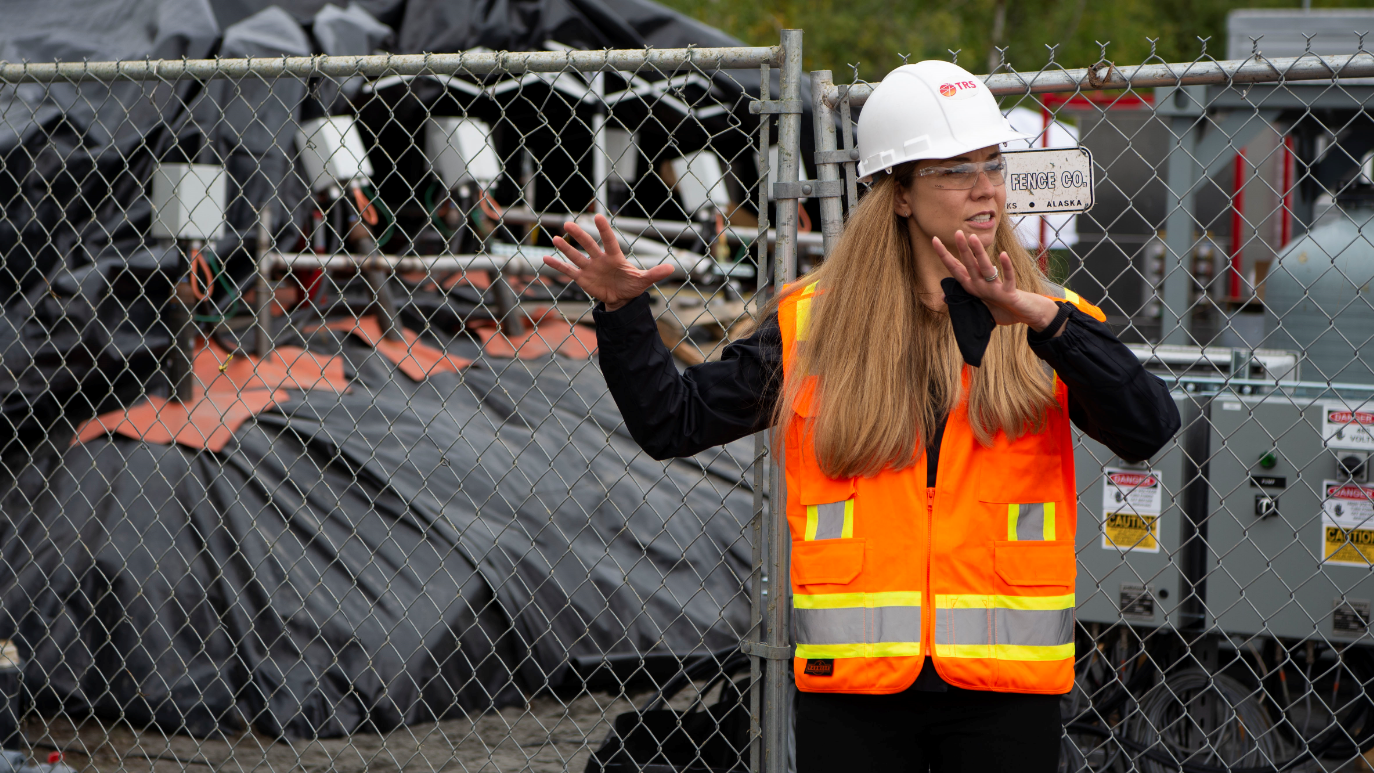
Hear from Emily Crownover, Managing Principal Engineer, a legacy TRS Group team member and Parsons Fellow.
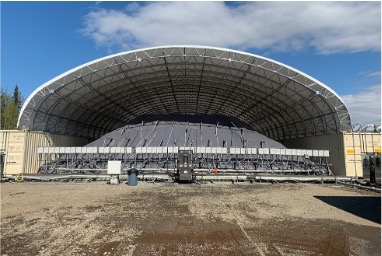
The acquisition of TRS by Parsons has been more than a business transition, it has been an integration of people, technologies, and shared purpose. TRS has brought more than 25 years of thermal remediation experience, a strong culture of applied innovation, and a record of solving complex environmental challenges. Those capabilities are now supported by a broader Parsons technical network, expanded research investment, and the strength of the One Parsons approach.
My connection to TRS began over 20 years ago when my husband Chad joined the company and I was in an engineering doctorate program at the University of Washington–Seattle. Learning about thermal remediation projects and seeing sites remediated in months, after decades of attempted solutions, sparked my interest. I was excited to accept a research and development engineer position 12 years ago, and it has been rewarding to contribute to developing technologies that protect communities, advance the environmental field, and support clients.
When Parsons acquired TRS in January 2025, the cultural synergy was clear from the start. Both organizations value technical excellence, practical innovation, collaboration, and positive community impact. The integration has created new opportunities to combine TRS’ specialized thermal and AFFF cleanout capabilities with Parsons’ broader PFAS, environmental, federal support, water treatment, and research expertise, important combined strengths as clients look for integrated PFAS solutions. Together, Parsons and legacy TRS teams are better positioned to support projects from investigation and liability assessment through treatment, remediation, destruction, and risk reduction.
Programs That Strengthen Innovation
One of the most exciting parts of joining Parsons has been seeing how company programs help turn ideas into practical solutions. Through the Internal Research and Development (IRAD) Program, Parsons is investing in PFAS treatment and destruction technologies, strengthening acquired TRS capabilities, and advancing solutions that address client challenges.
The Parsons Fellows Program also has been a bridge for collaboration. It brings technical leaders together across the company to share ideas, mentor colleagues, and advance innovation. These programs reinforce what I value most about Parsons, where people are encouraged to bring forward ideas, collaborate across teams, and turn technical expertise into capabilities that make a difference.
A One Parsons Story
The TRS acquisition is an example of One Parsons in action. Researchers, engineers, scientists, project managers, business development teams, field teams, and technical leaders are working together to bring expanded PFAS solutions to clients across markets.
What stands out most is the people. I have had the opportunity to work with colleagues who are generous with their time, thoughtful in their approach, and committed to solving difficult problems. The depth of experience across Parsons is impressive, and the willingness to collaborate is what makes it especially meaningful.
I am grateful to be part of Parsons and to work with innovative, hardworking colleagues who are turning ideas into solutions for clients, communities, and the environment. The successful integration of TRS into Parsons reflects the best of both organizations, technical expertise, a shared commitment to innovation, and a culture that supports collaboration.