Riyadh Metro — Riyadh, Saudi Arabia
Client

- Royal Commission for Riyadh City (RCRC)
Project Value 
$27 Billion
Market

Transportation, Urban Development
Services

Design, Program/Construction Management (PM/CM)
Riyadh Metro is a mega project under construction in the capital of the Kingdom of Saudi Arabia. This greenfield project represents the largest transit capital expenditure program yet launched in the Kingdom. It comprises a 176.5 km network, 85 transit stations, and seven rail depots. The Kingdom initiated the project to provide a modern, world-class transportation network equipped with the latest technology. Valued at $27 billion, it will play a critical role in alleviating the city’s traffic congestion, which is significant because people currently undertake 90% of trips in vehicles.
Collaboration With The Royal Commission for Riyadh City (RCRC)
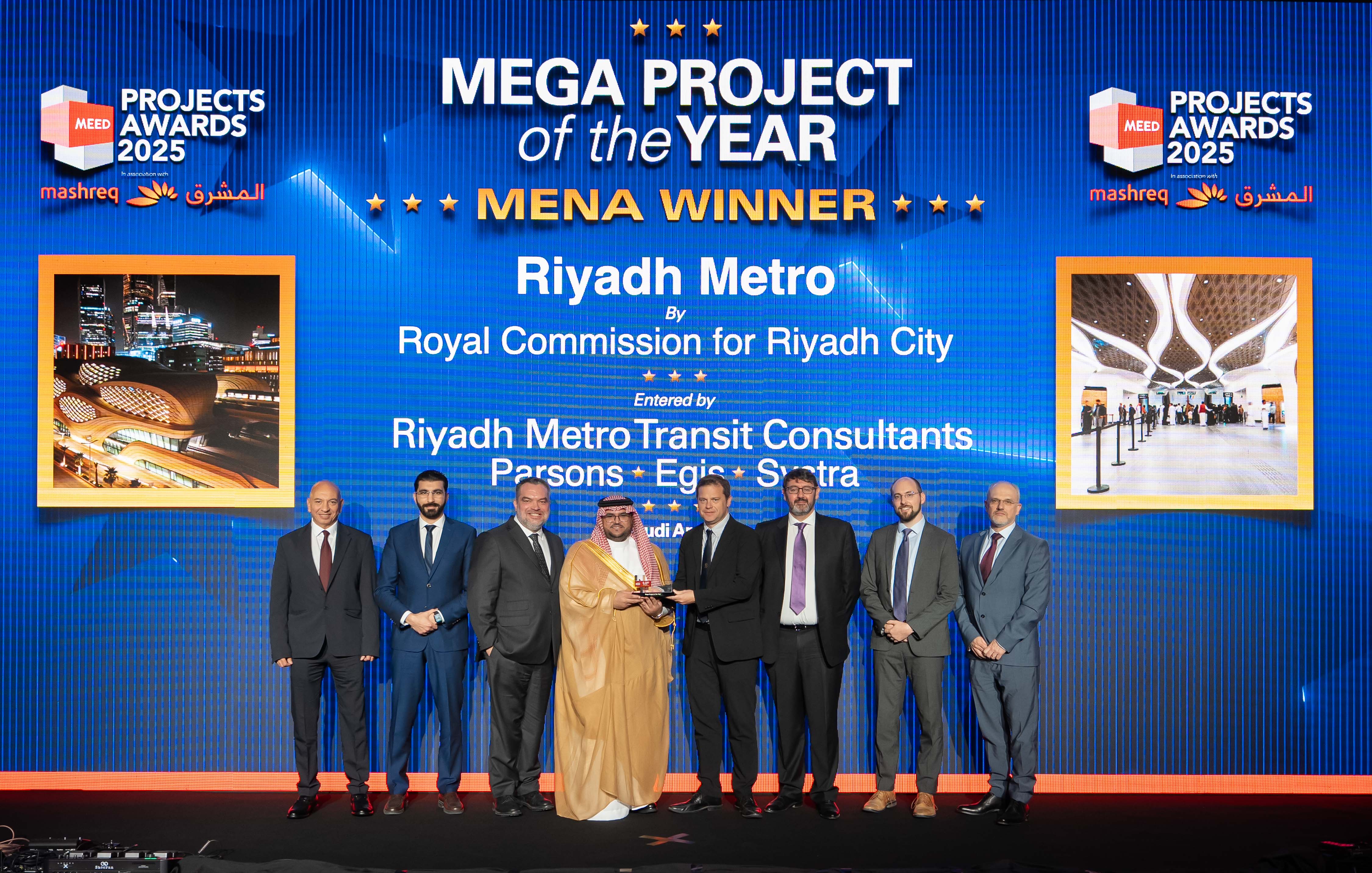
The Royal Commission for Riyadh City awarded two of its three Program Management/Construction Management (PM/CM) mega contracts to a Parsons-led joint venture called Riyadh Metro Transit Consultants (RMTC). The joint venture brings together three of the world’s top transit PM/CM consultants: Parsons, Egis, and SYSTRA. RMTC oversees three of the six lines. This represents 60% of the entire program. In addition, it manages two major Design and Build (D&B) consortiums.
The first phase of the project, launched in November 2024, is successfully handed over to the client. It is now fully operational. Public transport ridership has reached 315.6 million passengers since launch, reflecting strong growth in metro adoption. Of this total, 189.5 million passengers have used the metro since 1 December 2024. Additionally, 126.1 million passengers have traveled by bus since 19 March 2025.
Once complete, the Riyadh Metro will transform Riyadh into a thriving modern city, improving traffic flow and improving the quality of life of residents.
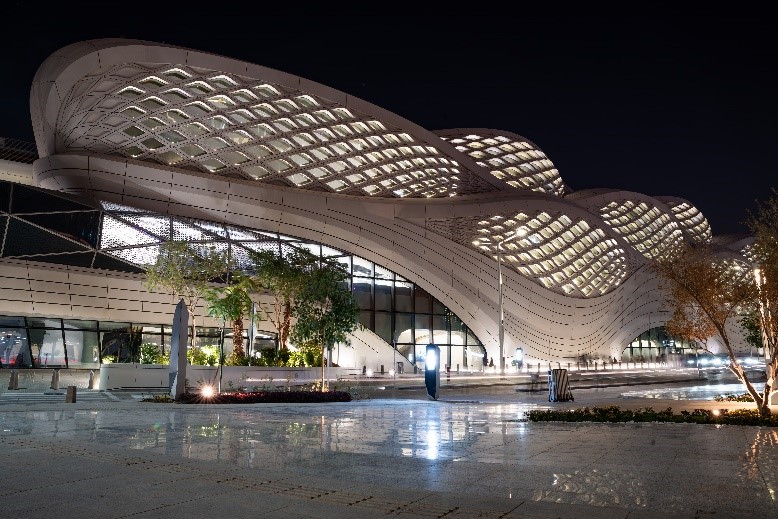
All 85 stations of the Riyadh Metro are delivered using Design-Build contracts. Four of these stations are considered ‘iconic,’ and their designs are chosen through architectural competition. The winning firms are then subcontracted to the main construction joint ventures to support the construction of those stations.
Having many contractors involved in delivering this project requires a high degree of collaboration and coordination throughout. Another key factor in the success of this project is stakeholder engagement. The work affects residential and commercial areas, as well as numerous governmental agencies. We coordinated operations with the existing bus transit system, which integrates with the rail network, to minimize disruption.
Managing Complexity And Risk On The World’s Longest Driverless Metro
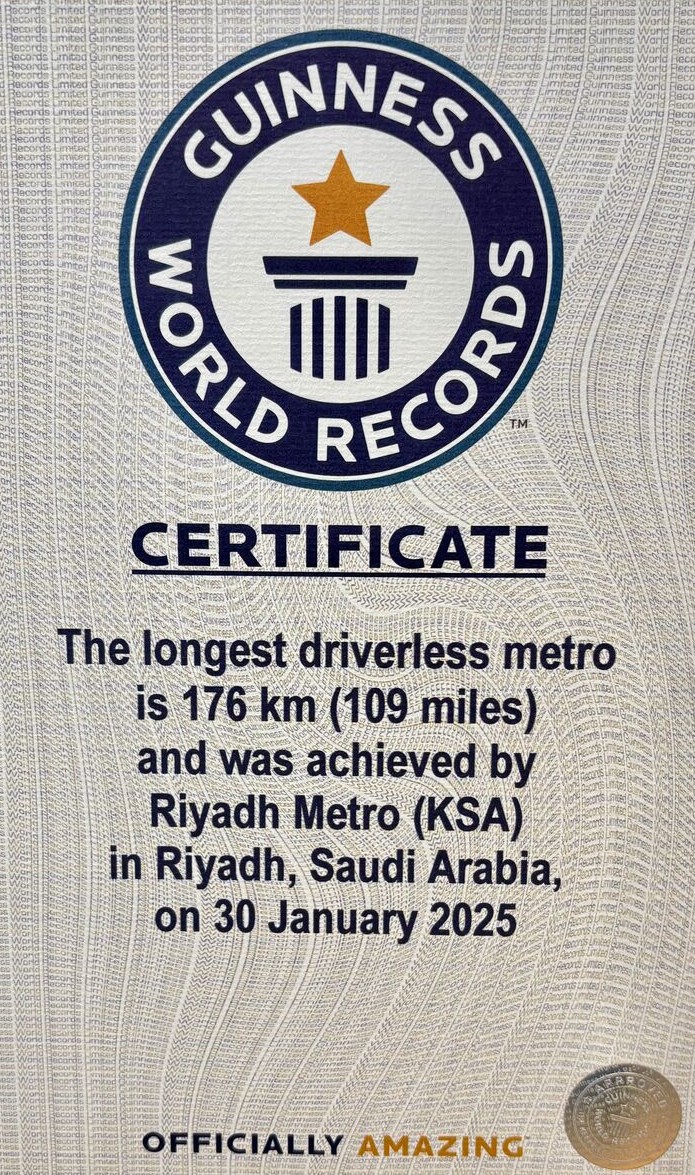
The Riyadh Metro is set to be the longest driverless metro line in the world. With its prominence and first-to-market role, we anticipate the hurdles that could arise during construction.
We work across dense brownfield environments and large‑scale greenfield programs. In both, we apply proven governance, interface, and delivery approaches that balance pace, safety, and long‑term operational performance.
Designing sufficient cooling capacity for stations with extensive glass surfaces in Riyadh’s extreme heat is one such challenge, which we address in different ways, including various types of HVAC units and special glass materials. We also revise the deep underground station designs due to a higher-than-expected water table. Managing local traffic and utilities during the simultaneous construction of 85 stations, 7 depots, and 174 km of guideway also adds to the challenges. Therefore, experts from around the globe are required to achieve success.
Managing a project of this scale requires a highly skilled team. We prioritize retaining key project staff who perform well and effectively resolve issues with contractors. We uphold exemplary safety and quality standards; exceeding even our own internal targets and OSHA standards. In fact, we set what we believe are true milestones and records. For example, we reached over 2,500 Days Lost-Time Injury-Free in October 2024. This fosters consistent performance from both our project management staff and the contractors.
From its inception, the Riyadh Metro was conceived as a transformative project to reshape urban mobility and dramatically improve the lives of residents and visitors alike. On behalf of Parsons, a long-term partner of the Royal Commission, and the lead consultant for the delivery of this industry-leading system, I would like to congratulate His Majesty King Salman and His Royal Highness Crown Prince Mohamed Bin Salman on its first day of operations,” said Pierre Santoni, President, Infrastructure EMEA at Parsons. “We look forward to supporting the city of Riyadh and the Kingdom in the successful completion of subsequent stages of the metro and the wider Saudi Vision 2030, by using global experience and deep local expertise to deliver excellence on every project. Pierre Santoni, President of Parsons Infrastructure for Europe, the Middle East, and Africa
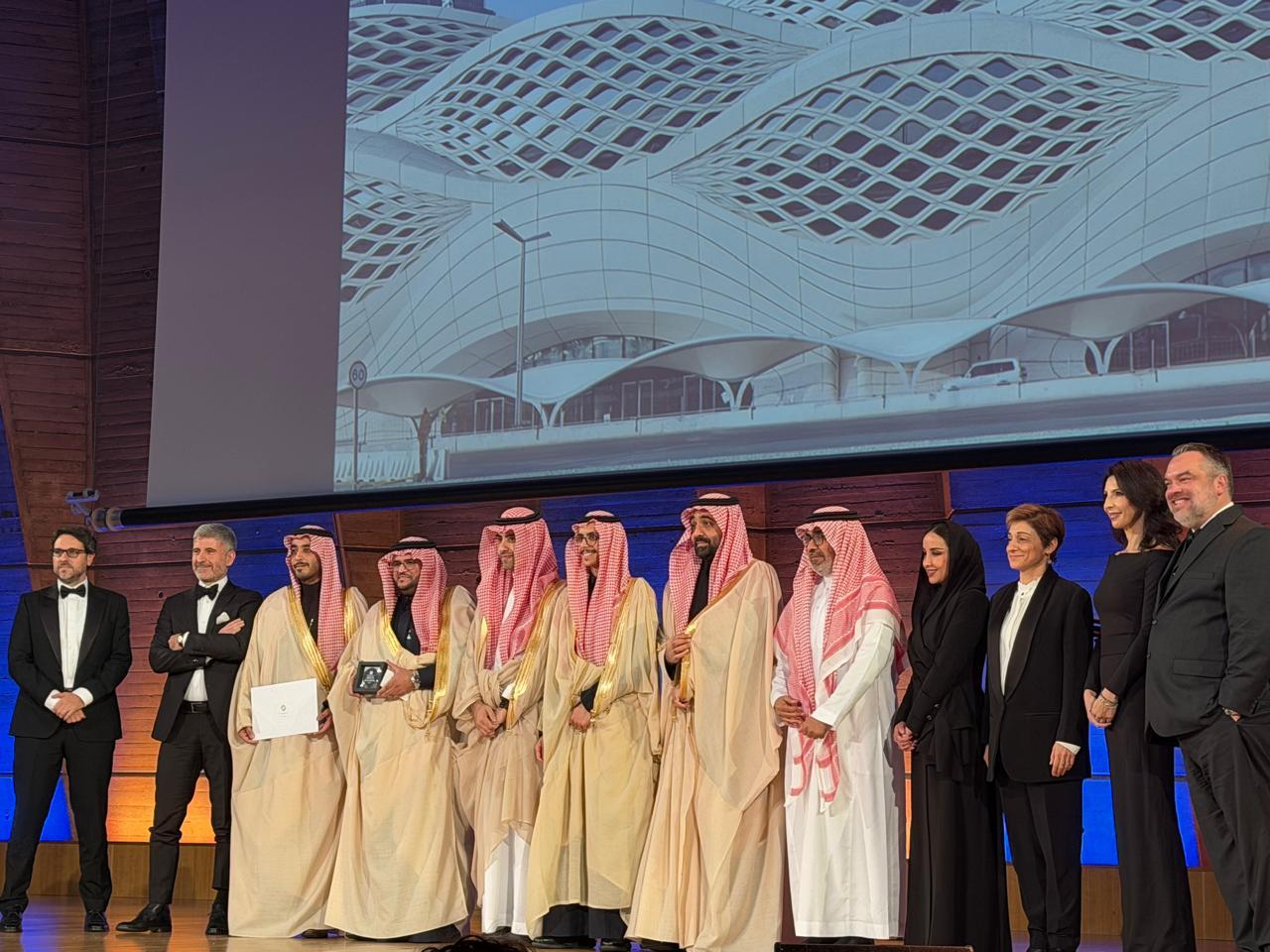
Awards And Accolades
Sustainability In Action
The project adopted several sustainable measures that allowed for a reduction in energy consumption such as adopting on-site generated energy from photovoltaic cells, energy-efficient equipment, LED lighting fixtures, and occupancy and presence sensors. There is also a reduction in water use including collected/treated on-site gray water, treated sewage effluent, water-efficient fixtures, and efficient irrigation systems along the metro corridor and others.
The completed project will have a considerable reduction in carbon emissions by providing a sustainable means of transportation that aims to reduce citizens’ and residents’ dependence on vehicles. The project is considering an urban development that promotes shading using trees and artificial shading devices. It also uses adaptive and native plants along the metro corridor. This is done while taking into consideration the solar reflectance index (SRI) value in the selection of pavers, underground parking areas, and more.
The designs developed for the four iconic stations require meeting, at a minimum, Leadership in Energy and Environmental Design Silver certification standards. Overall, the project has taken the life-cycle design approach: plan, design, and construct the project using materials that are local, recyclable, and nonpolluting. For example, it uses an ecological wall instead of concrete retaining walls in the depot area.
Advancing Urban Mobility With The Riyadh Metro
The Riyadh Metro marks a significant milestone in the Kingdom’s infrastructure development journey, and the contract mandates a 100-year design life for all structures. We proudly contribute to this focus on innovative infrastructure and projects that advance sustainability and longevity. This enhances the lives of the people and communities the metro serves. To achieve this, we use advanced technologies such as high-performance grouts and concretes. We also apply cathodic protection to deliver a state-of-the-art transportation experience, as well as incorporate specialized HVAC systems that utilize recycled water and integrate solar panels throughout the metro network. We install solar panels across the metro stations and depots to generate 20 percent of the energy needed for critical systems. This reduces the network’s carbon footprint. Some stations have even achieved LEED Silver and Gold certifications.
The metro trains use additional energy-efficient technologies, including regenerative braking, which generates energy during braking and reduces overall power consumption. The technologies, innovations, and approaches to sustainability applied in this project set a benchmark and demonstrate what the future of sustainable urban mobility can be.
The electric-powered metro significantly reduces greenhouse gas emissions and offers a cleaner, faster, and more sustainable alternative to road travel in the Kingdom.
As of August 2024, RMTC has worked more than 7 million hours without a lost time injury. This demonstrates the effectiveness of the health, safety, and environment (HSE) measures implemented on the project. The project team has delivered more than 450,000 HSE inductions and conducted over 13,000 HSE campaigns.
Developing Local Talent Through the Junior Engineer Education Program (JEEP)
We are committed to developing the careers of young people in every country we operate. To underscore this commitment, we initiated the Junior Engineer Education Program (JEEP) which focuses on developing Saudi graduates. JEEP is a structured program that combines formal training with on-the-job experience. Working directly with the project team offers the graduates the unique opportunity to be a part of a historical mega construction rail project. It allows them to work with and learn from leading industry experts. The experience gained will enable them to become competent engineers. This will help develop a valuable engineering talent pool in KSA.
Our Scope
- Program and project management
- Safety management
- Design management
- Construction management
- Cost management and cost estimating
- Schedule management
- Advisory and admin services
- Integration and interface management
- Quality Assurance / Quality Control (QA/QC)
- Sustainability management
- Stakeholder management
- Risk management
- HR management
- Materials and resources management
- Documentations management
- Contracts management and administration
- Engineer of Record (EoR): Packages 1 & 2
- Engineering review
- Inspection and supervision
- HSE oversight
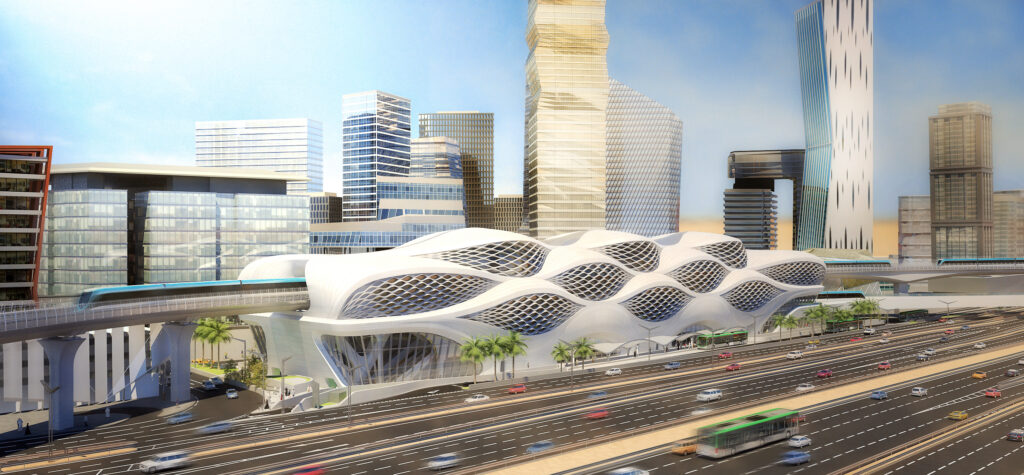
CNN Travel Feature: Inside Saudi Arabia’s Dazzling $22-billion Metro System
Taking the metro is usually little more than a means to an end while moving around cities, but Saudi Arabia’s brand new Riyadh Metro is turning this notion on its head. Launched in December 2024, the automated rapid transit system brings new meaning to the phrase, “It’s not the destination, it’s the journey.”
Transforming Rail and Transit
Join Our Team!
Check out our open opportunities in EMEA.

