Doha Metro – Doha, Qatar
Client

- Qatar Railways Company
Project Value 
N/A
Market

Rail And Transit
Services

Digital Transformation, Engineering, Program/Construction Management (PM/CM), Sustainability
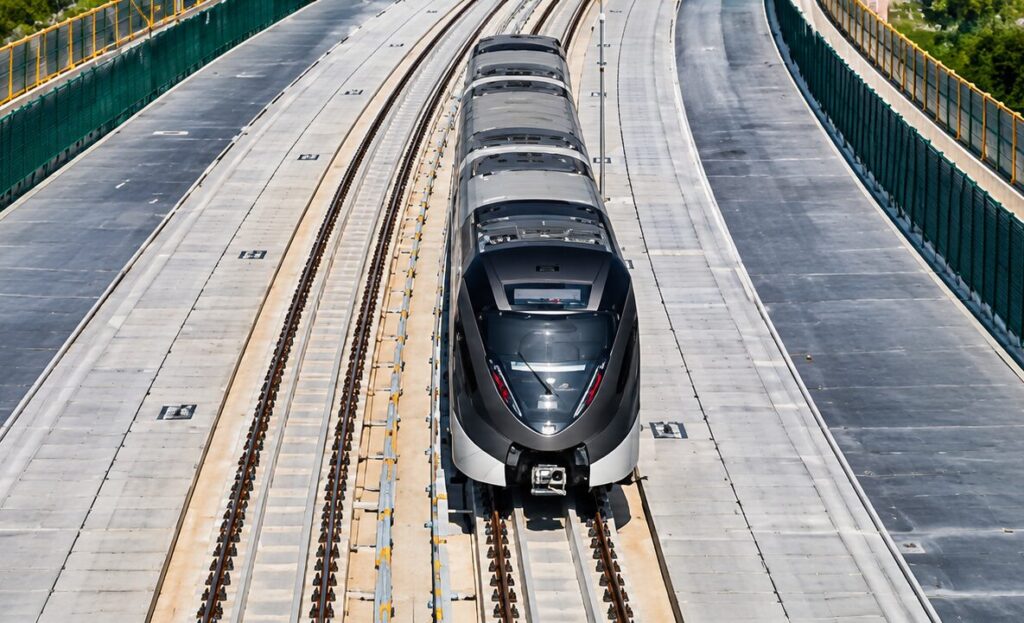
The Doha Metro network forms an integral part of the State of Qatar’s National Vision 2030 Planning Framework and its long-term transportation strategy. Developed in alignment with the Qatar National Transport Master Plan, the metro was designed to provide efficient, sustainable, and integrated connectivity across the Doha Metropolitan Area.
In 2014, the Systra/Parsons Joint Venture (SPJV) was awarded the Project Management Consultancy services (PMC) contract for the Doha Metro Phase 1 Systems contract. From 2018, SPJV has operated in an integrated team with Qatar Rail.
The scope of work included the detailed design, installation, testing, commissioning, and integration of the entire systems scope, comprising rolling stock, track work, power supply, train control systems, platform screen doors, telecommunications, SCADA, automatic fare collection, and the tunnel ventilation system, together with civil works and equipment for the integrated control center, main depot, and stabling yards. SPJV also managed the interface and coordination between the systems contractor and the various civil works contractors.
Delivering a Driverless Rail Network
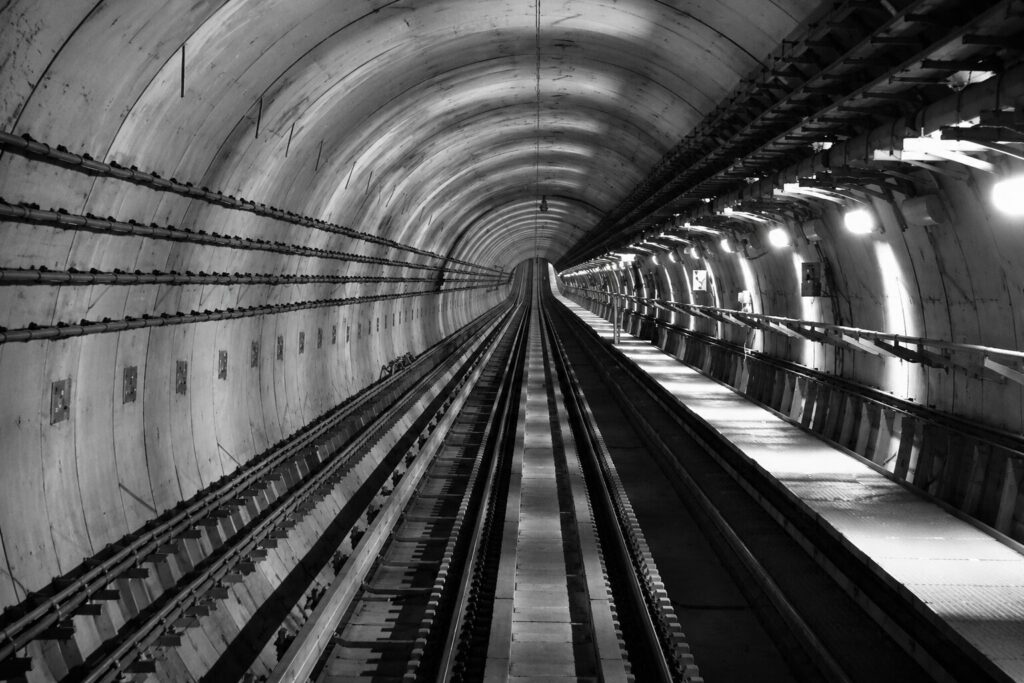
The Doha Metro consists of four metro lines to be built in phases, with an overall estimated length of 236 kilometers (km), including underground, elevated, and at-grade sections.
The network links key residential, business, and commercial hubs, including Downtown Doha, West Bay, Lusail City, Hamad International Airport (HIA), and the Doha Exhibition and Convention Center (DECC). It also serves major urban development areas to the south and west of the city and provided seamless access to the stadiums and associated infrastructure developed for the FIFA World Cup Qatar 2022™.
Phase 1 comprises three fully automated driverless lines totaling 84 km. The network is divided into the Red, Green, and Gold Lines, with a total of 37 stations, and consists of approximately 69 km of bored or cut-and-cover tunnels, troughs, or ramp structures; 11.3 km of elevated track; and 3.3 km of at-grade track.
Construction of the Systems contract commenced in 2015, and all lines were put into revenue service in 2019. A fleet of 110 trains was manufactured and delivered to meet the service requirements for this first phase.
Phase 1 was successfully completed in time for the 2021 Arab Cup and the 2022 FIFA World Cup. At full operational capacity, the metro can accommodate 600,000 passenger trips per day, making it one of the most efficient and environmentally friendly methods of moving around Doha and the surrounding neighborhoods.
Project Scope of the PMC Systems Contract
- Technical evaluation of the system bids
- Contract negotiation and formation
- Project management: contract administration, cost control, claims, progress, and payment certifications
- Project controls: schedule, costs, and cash flow
- Design review of all disciplines
- Review of subcontractors and material approval requests
- Construction monitoring of the main depot and stabling yards
- Installation monitoring of trackwork and rail systems
- Manufacture monitoring of rolling stock
- Progress monitoring
- Engineering processes management: RAMS, interfaces, requirements, and configuration
- Supervision of testing and commissioning
- Supervision of the overall interface with the various civil works contractors
- Defects Notification Period and contract closeout
Driving Innovation Through Cutting-Edge Technology
- Use of Primavera P6 project reporting software to safeguard accuracy in progress reporting and forecasting the completion of milestone deliverables
- Complete system design and modeling using BIM linked to Maintenance Management System delivery
Sustainability
The design of the main depot and stabling yard buildings incorporated a range of passive and active strategies to minimize energy demand, including:
- Low-flow water fixtures
- High solar-reflective glass, pavement, and car park shading to minimize the heat island effect across the site
- Water reuse and recycling through sewage treatment options, greywater recycling, and rainwater collection systems
- Design adherence to Global Sustainability Assessment System (GSAS) Level 4 requirements

