
Estimated reading time: 6 minutes
Key Takeaways
- Successful infrastructure programs require integrated governance, risk management, stakeholder engagement, and performance oversight.
- A structured risk register helps identify and manage risks proactively, promoting program resilience and informed decision-making.
- Effective PMOs focus on integrated processes and data-driven decisions, ensuring transparency and successful program outcomes.
Major infrastructure programs succeed when governance, risk management, stakeholder alignment, and performance oversight work together as a coordinated system. Effective program management office (PMO) services provide the structure, discipline, and transparency needed to guide complex programs from planning through delivery. Drawing on proven practices from large-scale transportation programs, Parsons’ PMO approach helps owners make informed decisions, manage uncertainty, and maintain focus on program outcomes.
Establishing Clear Governance and Accountability
Successful programs begin with clearly defined roles, responsibilities, and decision-making authority. A comprehensive authority matrix creates alignment among owners, PMO teams, consultants, and supporting organizations, keeping every stakeholder informed of their responsibilities and decision-making authority.


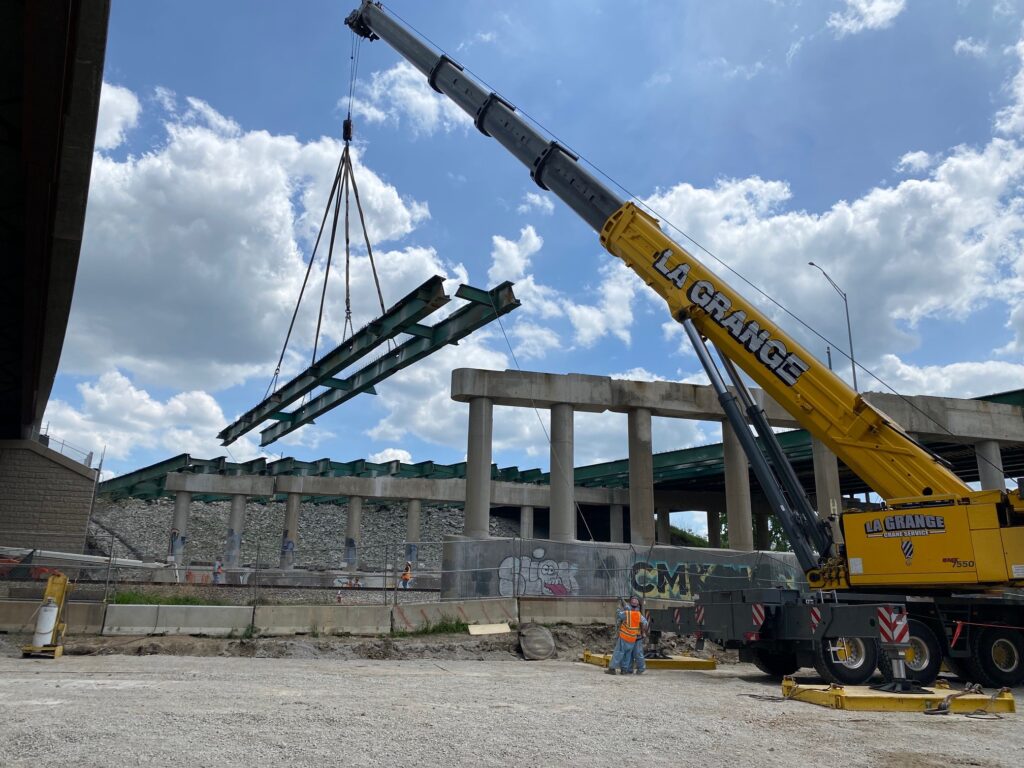


Strong governance structures enable leadership teams to oversee capital investment programs effectively while maintaining accountability across all levels of delivery. When significant scope, schedule, or budget changes arise, formal review processes provide a disciplined framework for evaluating proposed modifications and determining the best course of action. Dedicated change control committees bring together owner and PMO subject matter experts to assess impacts, validate recommendations, and support informed decisions.
Regular coordination meetings among program leadership, consultants, and project teams further strengthen governance by creating consistent opportunities to identify challenges, align priorities, and quickly resolve issues before they affect program performance.
Identifying Issues Before They Become Problems
Risk management is most effective when it begins early and remains an active component of program delivery. A structured risk register provides a central repository for identifying, assessing, prioritizing, and tracking potential risks throughout the program lifecycle.
Best-in-class PMOs establish ownership for risks at the project level, empowering project leaders to develop mitigation strategies, monitor progress, and address issues proactively. Weekly updates and ongoing reviews ensure that risk information remains current and actionable.
Equally important is the communication of emerging and high-impact risks. Regular leadership meetings and risk reporting processes help decision-makers maintain situational awareness and respond quickly when conditions change. By creating visibility into risks and mitigation activities, PMOs help organizations reduce uncertainty and improve program resilience.
Building Alignment and Maintaining Trust
Infrastructure programs often affect numerous communities, agencies, businesses, and interest groups. Meaningful stakeholder engagement helps make sure program goals reflect regional priorities while building transparency and public confidence.
A successful engagement strategy begins by identifying stakeholder needs and concerns early in the planning process. Structured outreach efforts, including public meetings and stakeholder advisory groups, provide valuable input that can shape program objectives and guide decision-making. Diverse stakeholder representation helps ensure that a broad range of perspectives is considered throughout program development.
Ongoing communication is equally critical. Regular stakeholder meetings throughout planning and implementation create opportunities to share progress, gather feedback, and maintain alignment as projects advance. This continuous engagement process helps minimize conflicts, reduce surprises, and strengthen support for program delivery.
Maintaining Discipline Throughout Delivery
Schedule and cost performance depend on establishing realistic baselines and maintaining rigorous oversight throughout execution. Effective PMOs work closely with program controls specialists to develop detailed cost estimates that serve as the foundation for budgeting and resource planning.
Once a program is underway, recurring progress reviews help monitor scope, schedule, and budget performance against established baselines. These reviews provide leadership with timely insights into project status and support early intervention when issues emerge.
Formal change management processes are equally important. By evaluating proposed scope changes through structured review committees, PMOs can assess impacts on cost and schedule before decisions are made. This disciplined approach helps control program growth and ensures that changes are aligned with strategic objectives.
External factors such as weather and changing site conditions can affect project performance. Strong PMO oversight helps teams identify risks early, evaluate mitigation options, and implement corrective actions that minimize impacts to delivery schedules and budgets.
Turning Data into Better Decisions
Measuring performance is essential for understanding program health and driving continuous improvement. While every program requires metrics tailored to its objectives, successful PMOs focus on indicators that provide meaningful insights into delivery performance.
Common measures may include change order performance, achievement of diversity goals, annual contract delivery targets, and invoice processing timelines. Regular review of these metrics allows leadership teams to identify trends, address emerging issues, and reinforce accountability throughout the organization.
Monthly reporting and leadership reviews create a feedback loop that connects data to decision-making. As programs evolve, PMOs can enhance performance measurement frameworks by implementing formal key performance indicators tied to program objectives, creating greater visibility into outcomes and strengthening overall program management effectiveness.
The Value of an Integrated PMO
The most successful programs do not treat governance, risk management, stakeholder engagement, controls, and performance measurement as separate functions. Instead, they integrate these disciplines into a unified PMO framework that promotes transparency, accountability, and informed decision-making. By bringing together structured processes, proactive oversight, and data-driven management, we help owners navigate complexity, manage risk, and achieve successful program outcomes.