Reimagining Hospitality: AI At The Heart Of Design, Delivery, And Experience
Estimated reading time: 6 minutes
Across the Middle East, the hospitality sector faces unprecedented pressure to deliver projects with speed, precision, and guest-focused innovation. The region’s rapid tourism expansion, especially in Saudi Arabia, has raised expectations around sustainability, operational efficiency, and technologically enabled guest experiences. In this context, AI is no longer a competitive advantage available to a select few. It has become the minimum capability required for anyone aiming to operate, compete, or deliver hospitality assets in today’s market.

More Than A Trend—AI Is Now The Foundation Of Project Delivery
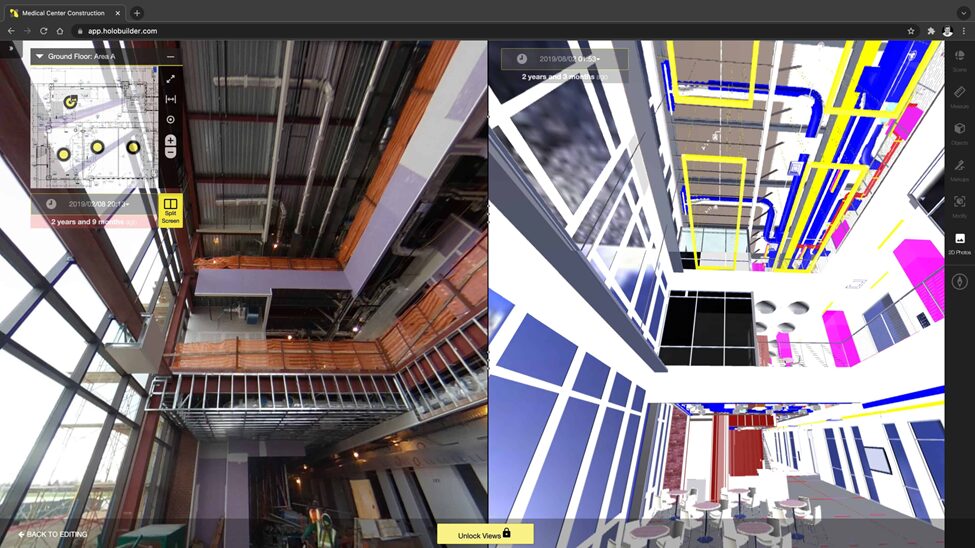
Over the past 5 years leading complex hotel and resort developments, I have noticed that AI-enabled delivery tools have become indispensable. Platforms like Autodesk Revit, Navisworks, and AI-powered clash detection have radically shifted how multidisciplinary teams collaborate. What previously required rounds of manual reviews, coordination meetings, and corrective rework now happens through integrated digital workflows. These workflows minimize error and compress timelines.
Real-time site capture via drones, 360 cameras, and AI-driven progress analytics is redefining transparency. Previously, coordination required multiple site walks. Now, project leaders validate progress instantly and remotely. Industry conversations, such as those featured on the Hospitality Design’s What I’ve Learned podcast and The Urbanist by Monocle, echo this shift. The industry’s new rhythm is digital, immediate, and data-driven.
AI-generated dashboards consolidate schedules, budgets, procurement data, and performance metrics, enabling clearer, faster decision-making. Speech-to-text assistants now handle meeting transcripts and action tracking, freeing teams to focus on strategy rather than administration. On large, multi-phase hospitality developments, this level of automation isn’t optional; it is now central to risk reduction and performance.
AI In The Transition From Delivery To Operations
AI plays a pivotal role in the smooth transition from project delivery to operational readiness. A key strategy in this process is the introduction of a Vendor Management Partner (VMP). This model mirrors the way PMOs and PMCMs manage contractors during construction. By leveraging AI-driven insights, the VMP oversees and coordinates facility management vendors responsible for cleaning, operating, and servicing the assets. Acting as a partner, the VMP aligns all vendors under one integrated vision. It takes ownership of outcomes, monitors performance, and proactively identifies and resolves potential issues before they arise.
Tune In For More
Industry conversations, such as those featured on our latest episode of Meet the Mission and Hospitality Design’s What I’ve Learned podcast, echo this shift. The industry’s new rhythm is digital, immediate, and data-driven.
Designing Guest-Centric Spaces With Intelligence
The most exciting evolution is how AI is reshaping guest experience at the design stage. By analyzing behavioral patterns, seasonal occupancy, operational constraints, and user feedback, AI gives designers predictive insight to create environments that anticipate guest needs rather than react to them.
This might include optimizing lobby flow to reduce queuing, designing kitchens for maximum efficiency during peak periods, or forecasting staffing needs based on real-time occupancy patterns. Discussions from The Hotel Design Podcast frequently highlight how AI-driven insights now influence everything from FF&E decisions to back-of-house configurations. The goal is not just efficiency. It is wellbeing, personalization, and the creation of intuitive spaces.
Smart Hospitality In Action
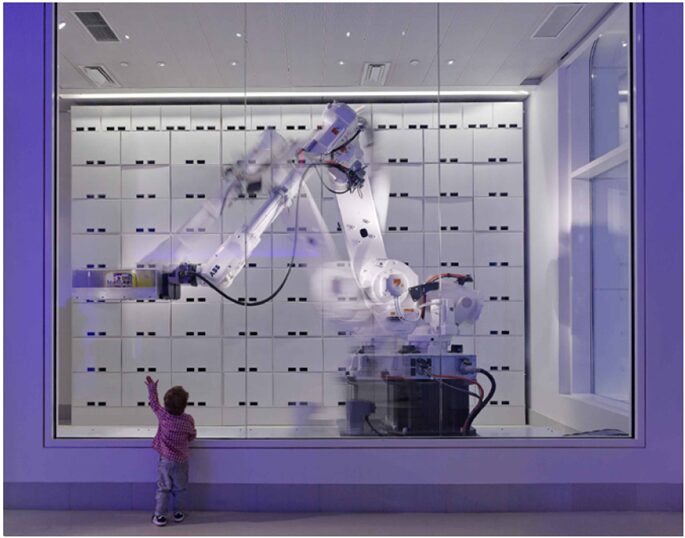
A remarkable example of these principles in action can be seen on NEOM’s OXAGON project, a purpose-built industrial city. This city exemplifies the intersection of hospitality design and cutting-edge technology. I had the privilege of contributing to this pioneering development, where AI, video analytics, and IoT-enabled systems are being integrated to deliver a seamless, guest-centric experience. Hotels like YOTEL and Hotel Indigo are adopting smart building standards, including energy-efficient HVAC systems, microgrid controls, adaptive lighting, and digital twin technology. These technologies simulate, monitor, and optimize building performance in real time. Aligned with NEOM’s zero-carbon goals, these advancements blend sustainability with advanced tech. They redefine personalization and operational efficiency. This project demonstrates how AI and smart systems can transform hospitality projects into a tech-driven, sustainable ecosystem.
Environmental Stewardship in Saudi Tourism
The push toward Saudi Vision 2030 is creating an environment where cutting-edge technologies, like AI, play a central role in achieving the goals of the Saudi Green Initiative. These efforts position the Kingdom as a regional leader in sustainable tourism innovation, placing environmental stewardship at the core of hospitality development.
Saudi Downtown Company (SDC) serves as a good example of this. Parsons developed smart city solutions to integrate smart utilities, intelligent transportation systems, and environmental monitoring. In a previous article, Redefining Hospitality: Saudi Arabia’s Green Revolution, I explored how AI is optimizing water consumption, reducing energy loads, and supporting climate-adaptive architecture across the Kingdom’s mega projects.
The Disruption Is Here
AI has become a catalyst for new forms of collaboration across architecture, engineering, and operations. But adopting AI isn’t simply about upgrading tools. It requires a mindset shift. Famous hospitality design leaders such as Bill Bensley to Larry Traxler have spoken about the industry’s need to evolve beyond traditional workflows and embrace a more data-responsive design culture.
As the pace of development accelerates, especially in giga-projects across the Middle East, hospitality developers, operators, project managers, and asset owners must determine whether they intend to lead this technological transformation or struggle to keep up with it.
The industry’s future will be shaped by those who integrate AI deliberately, intelligently, and early. Those who can harness technology will succeed. Not to replace creativity, but to elevate it.