Creating Opportunity Through Infrastructure And People
Estimated reading time: 7 minutes
Donna Williams Reflects On A Career Built To Last
When You Look Back At Your Career, What Moments Really Stand Out In Shaping Your Journey?
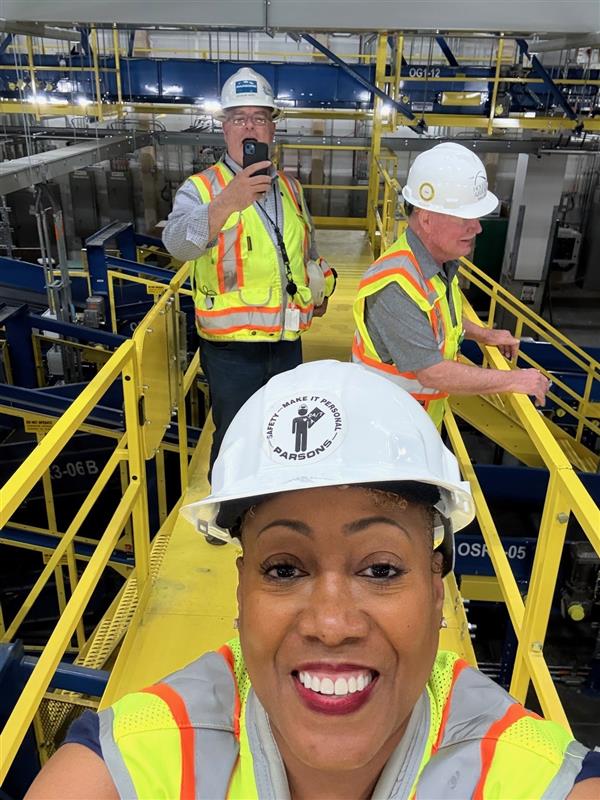
What stands out most is how early my path shifted from purely technical work into leadership. I started as a mechanical engineer in Washington, DC, and even then, I had a natural tendency to coordinate people and keep project tasks moving. Within 18 months, my manager created a project engineering role for me and pulled me off the technical team, allowing me to focus on making sure everything was running smoothly.
A defining moment came when our project manager had a medical emergency and was suddenly out. I stepped in and kept the project moving. Shortly after, I was promoted to project manager. That was a real inflection point where I realized I could lead complex efforts and people trusted me to do it.
How Did Parsons Help You Move From Technical Roles Into Leadership?
Parsons held a nationwide contract with the FAA to provide technical support services to modernize and maintain the National Airspace System across more than 600 locations in the United States. Early in my career, I managed a broad range of technical, engineering, project, and construction support services in the Southwest Region and later the Central Service Area, covering more than 20 states. In these roles, I progressed from a primarily technical focus into increasingly broader leadership responsibilities.
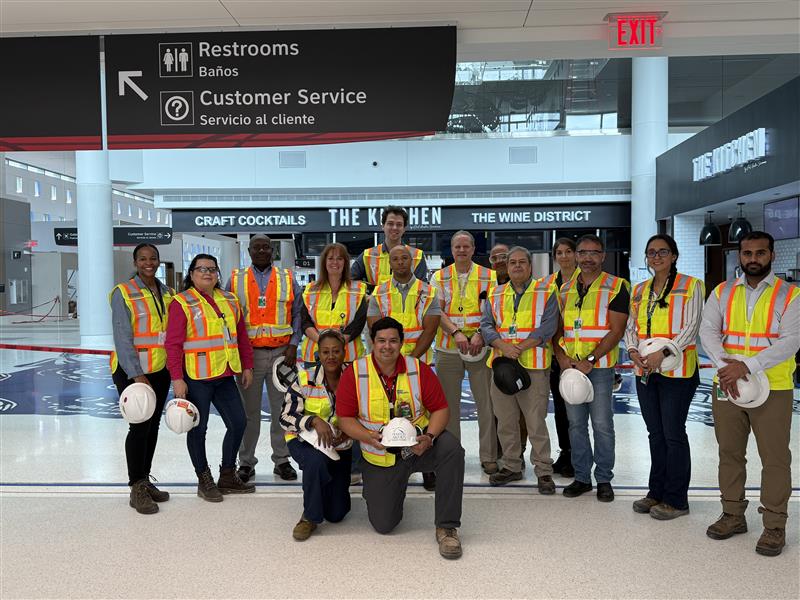
I was given opportunities to manage large, complex programs, open and grow offices in Dallas and Fort Worth, Texas, and take on major assignments like providing program management support services for the George Bush Intercontinental Airport Terminal Redevelopment Program for the Houston Airport System.
Parsons also taught me how decisions are made, how leaders think, and how strategy connects to execution. I was selected for the leadership council, one of a small group that shadowed the executive team, which was incredibly formative. Parsons is a diverse company with a philosophy that resonates with me because if you’re treated well and the work is meaningful, why leave? That environment made it possible for me to grow continuously while staying true to who I am.
With Mentorship As A Big Part Of Your Role Today, What Do You Look For, And How Do You Help People Find Their Path?
I look for people who are open to ideas, feedback, and different perspectives. The strongest teams are diverse in every sense from background and experience to age and methods of thinking. When you bring that kind of openness together, you get better ideas and better outcomes.
When I mentor, I focus on a few core things. First, as a mentee, you have to be willing to accept help from many directions. Second, listening is critical. When a mentor offers guidance, really listen and try to implement it. Even if the advice feels challenging, you won’t know if you don’t try.
I also remind people that growth takes time, and mistakes are part of the process. Don’t be so hard on yourself that you stop moving forward. Give yourself permission to learn.
What Makes Parsons A Place Where People Can Really Grow And Build A Long-Term Career?
Parsons is full of good people doing meaningful work. The projects span the globe, and there’s real flexibility to get involved in work that matches your interests, whether that’s technical, program management, leadership, or something in between. There’s a wide range of opportunities here, which means you’re never limited to just one path.
Also, the work itself matters. Being part of projects like airport infrastructure in Houston, where you’re helping move people safely across the country, is incredibly rewarding. When you combine meaningful impact, strong values, and a wide range of opportunities to grow, it creates an environment where people build more than careers, they build their future, as well as build likeminded industry-related communities.
Is There A Project Or Accomplishment You’re Especially Proud Of?
One that really stands out is the FAA program I mentioned earlier. It started very simply, on paper, and grew it into a 12-year program. What makes me most proud isn’t just the scale or the longevity, but the people behind it and how consistently they delivered exactly what the client needed.
By building strong relationships and truly listening to the client, we earned trust that led to repeat business. The work expanded across multiple FAA regions and created opportunities well beyond the original scope.
Has Your Career At Parsons Influenced Your Life Outside Of Work, And If So, How?
My life outside of work really complements what I do at Parsons. The leadership skills I’ve developed there have opened doors for me to serve in meaningful ways beyond the company. It’s influenced how I lead and serve everywhere else in my life.
I’ve been honored to be appointed by Former-President Bush and confirmed by the US Senate to serve on the Corporation for National and Community Service board of directors, based in Washington, DC, and later appointed by Texas Governor Perry to a higher education board of regents, where I served as chair for several years.
I was then appointed by Texas Governor Abbott to the Texas Higher Education Coordinating Board (Director, then Vice Chairman), giving me the opportunity to work with universities across Texas.
I’m an original member, and I still serve on the national advisory board The Laura W. Bush Institute for Women’s Health of the Texas Tech University Health Sciences Center, dedicated to improving the lives of women throughout Texas.
Recently, the governor’s office notified me of his intent to appoint me to the Governor’s Commission for Women, where I’ll help support women-owned businesses and initiatives that advance women across the state.
What Trends Will Have The Biggest Impact On Aviation And Infrastructure?
Technology will have the biggest impact on the future of aviation. We’re already seeing the shift toward more hands-off, seamless experiences like checking in before you even get to the airport, dropping off baggage with minimal interaction, and moving through terminals more efficiently. That trend is only going to accelerate.
I’m also attending a conference in March focused on the technologies airports around the world are adopting, and it’s clear that the most forward-looking infrastructure projects are those that plan for flexibility and innovation.