Estimated reading time: 4 minutes
SOF Week 2025: A Glimpse into the Future of Special Operations
Recently, I had the privilege of attending SOF Week 2025 in Tampa, Florida. The event brought together the Special Operations Forces (SOF) community, SOCOM, industry partners, and technology innovators, providing a unique platform to discuss the challenges and opportunities shaping the future of special operations. Here are my top three key takeaways from the conference:
1. The Power of Partnerships and Integration
One of the most prominent themes at SOF Week was the emphasis on partnerships and integration. It’s clear that addressing today’s complex global threats requires a collaborative approach, bringing together not only different branches of the military but also international allies and the private sector.
General Dan Caine, the 22nd Chairman of the Joint Chiefs of Staff, provided insights on integration that were particularly impactful. He stressed the importance of combining the efforts of SOF forces, the joint force, interagency partners, allies, and the private sector to achieve what he called “exponential returns on time and capital.” This concept resonates strongly with the need for seamless collaboration across different domains.
This focus on integration also highlights the increasing operational demands on SOF, necessitating rapid deployment and strategic response. To meet these demands, the conference underscored the need for SOF teams to work seamlessly with coalition partners through common technologies and communication protocols.
2. Tech Innovations for the Modern Battlefield
Technology is, as always, a driving force in the evolution of special operations. SOF Week showcased a range of cutting-edge innovations designed to enhance the capabilities of SOF operators.
Several key areas stood out:
- No/Low-Bandwidth Communications: The development of communication software that can function effectively in environments with limited or no bandwidth is critical for maintaining connectivity in austere and challenging operational settings.
- Mapping and Situational Awareness: Specialized tools for mapping and situational awareness are crucial for providing SOF teams with the information they need to operate effectively in complex and dynamic environments.
- Human Performance Optimization: Advancements in this area are aimed at enhancing the physical, mental, and emotional capabilities of SOF operators, ensuring they are ready to meet the demands of modern warfare.
- Ease of Use and Minimal Training: The emphasis on developing technologies that are easy to use and require minimal training is essential for rapid adaptation by SOF teams in the field.
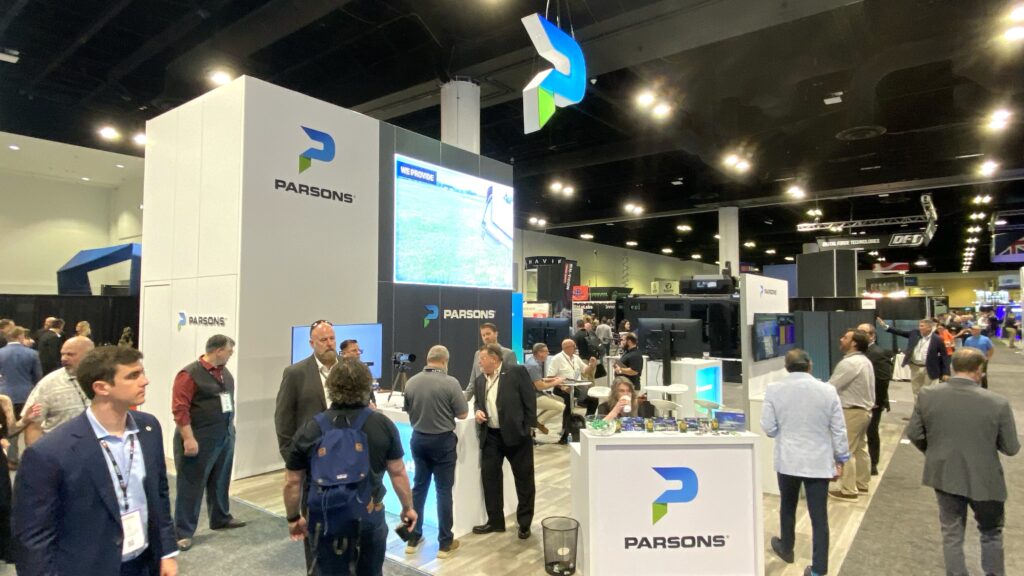
These innovations, many of which were on display in live capability demonstrations – including our JavelinTM and AresTM biometric technologies, are transforming the way SOF operates, enabling them to be more agile, adaptable, and effective.
3. Embracing Innovation and Adaptation
The historical perspective on special operations innovation, from modifying machine guns on jeeps to using drones for cross-domain operations, reminds us that continuous adaptation and technological advancement are essential for maintaining a strategic advantage.
Final Thoughts
This year’s SOF Week conference provided a valuable glimpse into the future of special operations. The emphasis on partnerships, technological innovation, and continuous adaptation underscores the SOF community’s commitment to maintaining its edge in an increasingly complex and challenging world. The event left me with a sense of optimism and confidence in the ability of SOF forces to meet the challenges of the future.