Three Lessons For Multi-Jurisdictional Public-Private Partnership (P3) Bridge Programs

Estimated reading time: 6 minutes
Public infrastructure is becoming more complex. Major bridge projects today go far beyond structural engineering. They must account for tolling systems, digital platforms, long-term maintenance, stakeholder engagement, and coordination across multiple agencies or borders. These demands have transformed how infrastructure is delivered and how success is measured.
We bring deep experience supporting owners through this complexity. As a Delivery Partner, we provide program-level guidance that keeps major infrastructure projects aligned with public goals from concept to operations.
The Gordie Howe International Bridge is a powerful example. This landmark project offers practical insight into what it takes to deliver large, multi-jurisdictional bridge programs under a public-private partnership (P3) model.
Setting A New Standard For Bridge Delivery
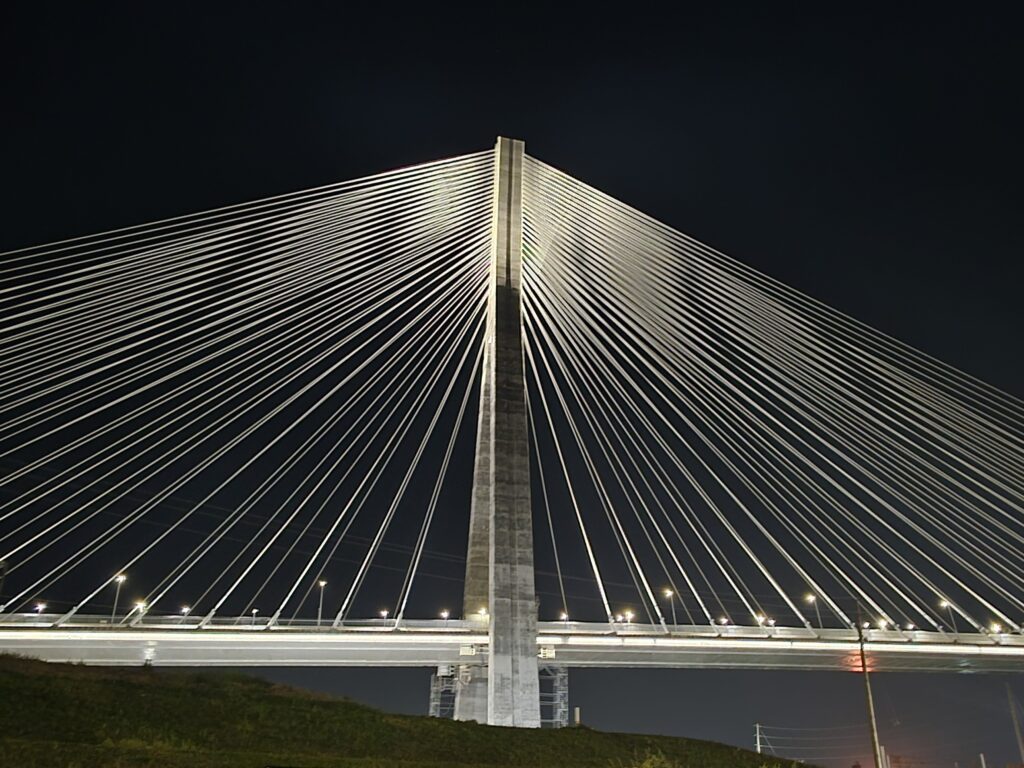
Spanning the Detroit River between Windsor, Ontario, and Detroit, Michigan, the Gordie Howe International Bridge is one of the most complex bi-national infrastructure programs ever undertaken in North America. The project includes six lanes of traffic across the border, commercial and passenger vehicle inspection facilities, modern border crossing technology, advanced tolling infrastructure, and a comprehensive strategy for long-term operations and maintenance.
We served as General Engineering Consultant to the Windsor-Detroit Bridge Authority. In this role, we acted as a trusted Delivery Partner, providing oversight, technical assurance, program controls, and multi-jurisdictional coordination during the development and procurement phases of the project. Our involvement helped ensure the project met the highest standards of performance, safety, and value while maintaining alignment with the owner’s long-term goals.
Three Lessons For Complex P3 Bridge Programs
1. Governance and Oversight Must Be Clear and Collaborative
Bridge programs that span jurisdictions, regulatory bodies, or even international borders require governance structures that are well-defined and flexible. At Gordie Howe, the success of the program depended on early collaboration between transportation agencies, Federal border agencies, private partners, and multiple levels of government.
Parsons supported the creation and operation of a governance model that allowed the owner to retain control while ensuring timely and coordinated decision-making across stakeholders.
What Worked:
- Defining clear roles and responsibilities from the outset
- Establishing efficient review and escalation processes
- Maintaining transparency between public and private partners

2. Tolling Systems Should Be Fully Integrated from the Start
Tolling is no longer an afterthought. It plays a central role in corridor performance, financial modeling, and user experience. At Gordie Howe, tolling systems were designed alongside traffic management strategies and long-term operations planning.
Parsons supported the selection and integration of toll technologies that allow for dynamic pricing, interoperability, and future adaptability. We helped ensure the systems would meet both current and evolving needs.
What Worked:
- Planning tolling systems as part of the full life cycle of the corridor
- Incorporating tolling data into real-time operational dashboards
- Ensuring systems support commercial traffic, passenger vehicles, and policy changes

3. Community and Environmental Outcomes Build Public Trust
P3 projects must balance private delivery with public benefit. At Gordie Howe, community and environmental commitments were built directly into the contract and delivery model. This included Indigenous engagement, workforce development, environmental mitigation, and local economic support.
We helped track these commitments and provided reporting tools that gave the owner visibility into progress and compliance. These measures contributed to stronger community relationships and broader support for the project.
What Worked:
- Embedding community benefit programs into the P3 structure
- Providing tools for transparent tracking and communication
- Centering long-term value in how project success is measured
Planning For Performance That Lasts
The Gordie Howe project was not just designed for opening day. It was built for multi-decade performance.
We worked closely with the owner to define operations and maintenance standards that ensure availability, durability, adaptability, and resilience over the life of the concession.
This included materials selection, asset management frameworks, digital system integration, and protocols for upgrades and futureproofing. We helped the owner define success across the entire life cycle, not just construction.
Parsons’ Approach To Owner-Side Delivery
Parsons supports owners at every stage of major bridge programs. As a Delivery Partner, we provide the expertise, structure, and systems needed to manage risk and deliver outcomes. Our experience with P3s allows us to navigate technical and commercial complexity without losing sight of public priorities.
From procurement support and contract oversight to quality verification and long-term asset planning, we help owners retain control while delivering efficiently. Our role is not to replace internal resources, but to extend and enhance them with the scale and insight required for large, multi-agency infrastructure programs.
Building The Bridges Of The Future
The Gordie Howe International Bridge shows what is possible when modern project delivery is matched with strong public leadership. For agencies considering P3s, tolling strategies, or multi-jurisdictional governance models, this project offers proven lessons and a model worth adapting.
Parsons brings that experience forward. We continue to support complex bridge programs across North America, helping agencies plan, deliver, and operate infrastructure that works for generations to come.