Driving Change: Managing Megaprojects In The Middle East
Estimated reading time: 5 minutes
I recently had the honor of guest lecturing at Columbia University’s “Leadership & Management of Megaprojects” course, part of an executive program aimed at reshaping megaproject planning and execution. I chose to make my presentation about Saudi Arabia’s first metro project, the Riyadh Metro Megaproject, which I’m proud to have led Parsons’ involvement in.
The Megaproject: Riyadh Metro
The Riyadh Metro project in Saudi Arabia is one of the most strategic urban infrastructure undertakings in modern history. The challenge was clear: to design, supervise the construction of, and commission a state-of-the-art metro system that would transform Saudi Arabia’s capital city into a global model for urban mobility. This required seamless coordination between the city itself, a diverse array of stakeholders, and a workforce of unprecedented scale. In 2013, when the project began, Riyadh had a population of fewer than 6 million. By 2025, the population has grown to over 8 million, and daily vehicle trips have risen from 8 million to 10 million.
The Result: An Urban Transformation
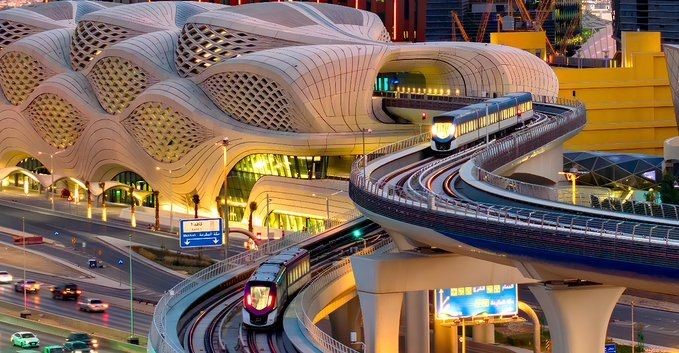
After 12 years of meticulous planning, design, procurement, construction, and commissioning, the Riyadh Metro is a testament to Saudi Arabia’s vision for progress.
With a capital investment of $29 billion, the Riyadh Metro is the largest metro system ever constructed simultaneously.
Parsons undertook this significant project — managing 442 construction sites across the city. At its peak, the project brought together over 62,000 professionals from 48 different nationalities, showcasing the global scale and diversity of this important megaproject.
Riyadh Metro Facts and Figures:
- 6 Metro Lines spanning 176 kilometers of track.
- 85 Stations designed to serve millions of passengers annually.
- 7 Depots and 12 Park-and-Ride Facilities to enhance operational efficiency.
- 183 Driverless Trains equipped with cutting-edge technology.
Redefining Megaproject Delivery
Megaprojects are not merely large-scale, conventional projects; they are transformative undertakings that reshape societies. The Riyadh Metro exemplifies the defining characteristics of a megaproject, as outlined by Bent Flyvbjerg of Oxford University: technological innovation, political significance, economic impact, and aesthetic appeal.
Technological Innovation
The project incorporates advanced technologies such as driverless trains, automated control centers, and energy-efficient depot systems, reflecting Saudi Arabia’s Vision 2030 goals for advancing smart infrastructure and positioning Riyadh as a global leader in urban mobility.
Political Significance and Economic Impact
The metro system is not just a transportation solution—it is a commitment to modernization and economic diversification. During construction, the project created thousands of jobs and stimulated local industries. Upon completion, it enhances productivity by reducing traffic congestion and improving connectivity.
Aesthetic Appeal
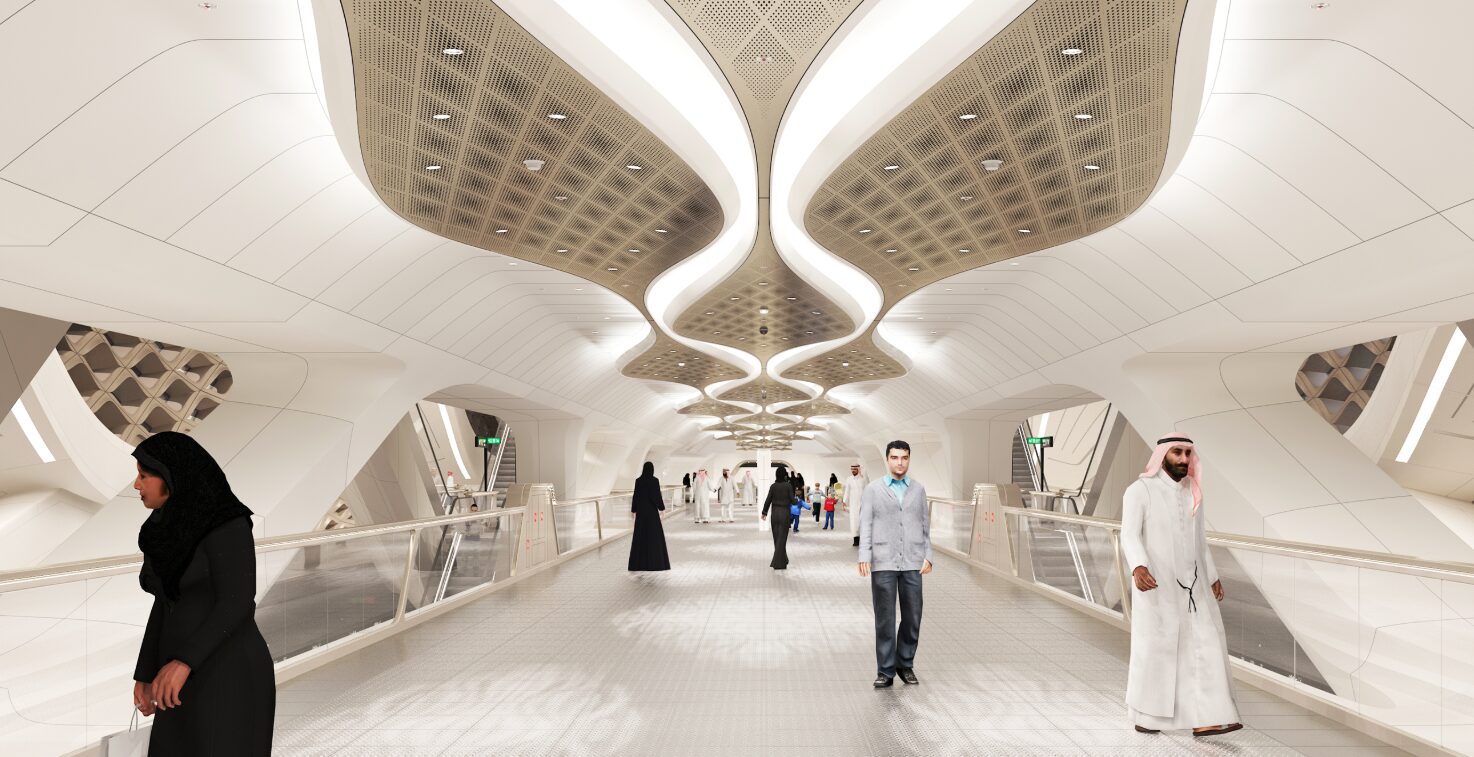
The Riyadh Metro stands as a testament to architectural excellence, featuring iconic stations designed by globally acclaimed architects. These visually stunning structures blend modernity with cultural heritage, elevating Riyadh’s global image as a city of innovation and beauty. The metro system is not just infrastructure—it is a work of art that inspires and captivates.
Insights from the Columbia Executive Education Program
Final Thoughts & Lesson Learned: Connection
For the seasoned executive or manager just about to take on the management of a megaproject for the first time, always remember that megaprojects are multifaceted. This is best demonstrated by a question that I am asked on a regular basis now that the metro is open. When asked to describe my experience with the Riyadh Metro in one word, I always come back to the word “Connection.”
As a Project Director, my work is based around constant connections:
- Technical Connections: Integrating civil, mechanical, electrical, and systems engineering.
- Logistical Connections: Coordinating construction materials, traffic diversions, and stakeholder collaboration.
- Contractual Connections: Aligning design-build teams, project managers, and governmental authorities.
Most importantly, sitting above any other type of connection, the Riyadh Metro is about connecting the people of Riyadh in a new and transformative way, while connecting Saudi Arabia to the world and a bright future ahead.
As leaders of megaprojects, our core responsibility is to carry the client’s vision, serving as the critical link that unites people and resources to transform that vision into a tangible and successful reality.
To find out more about this megaproject and Parsons’ scope, check out the Riyadh Metro project page.