What If Cities Could Be Built Like LEGO?
Estimated reading time: 5 minutes
In a region defined by rapid urban expansion, tight construction schedules, and climate-driven demands, the Middle East is emerging as a leading testbed for modular construction. But this shift is about more than speed, it’s about creating smarter, more resilient, sustainable cities.
At the intersection of structural engineering, digital innovation, and urban planning, modular construction is no longer a transitional trend. It is a forward-looking strategy for scalable, sustainable development.
Building Faster, Safer, and Smarter
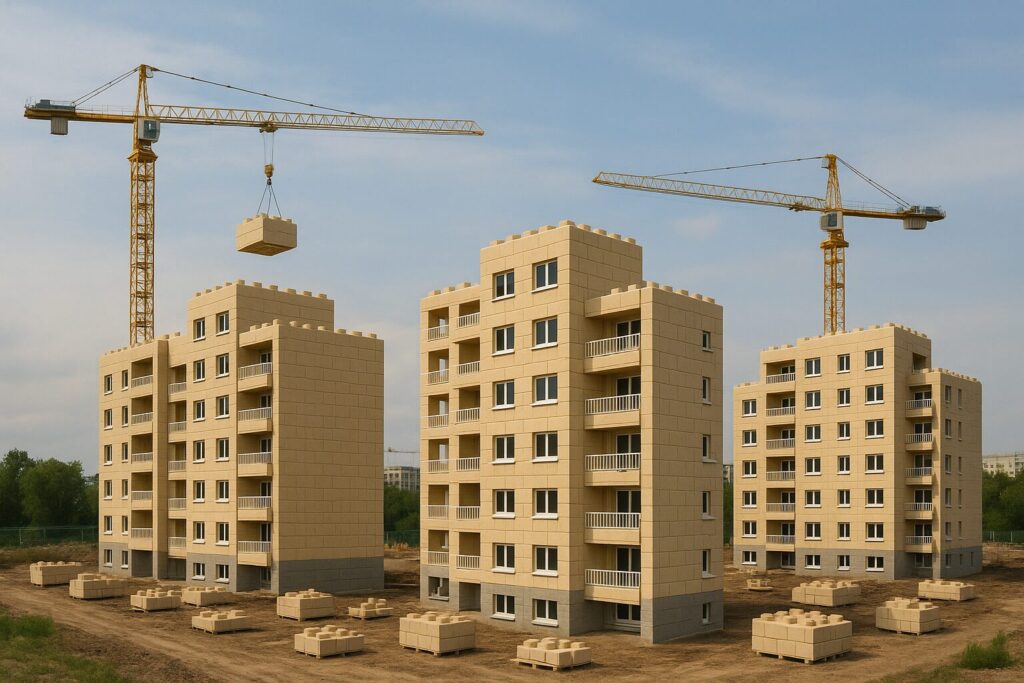
Modular construction is transforming how cities evolve. At Parsons, we have successfully delivered fully precast modular buildings in live, high-density urban environments—including areas with ongoing residential activity and logistical constraints. The advantages are clear:
- Cleaner construction sites through off-site fabrication.
- Accelerated schedules enabled by parallel workflows and rapid on-site assembly.
- Improved safety especially in congested or sensitive zones.
This approach also enables enhanced quality control and predictable structural performance. Several of our modular-first projects have achieved LEED certification by significantly reducing on-site carbon emissions, minimizing material waste and lowering energy consumption.
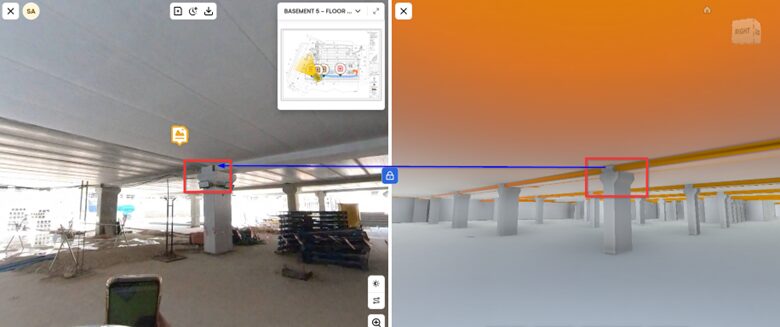
To support these outcomes, Parsons leverages advanced digital construction tools. For example, our implementation of OpenSpace, an artificial intelligence (AI) and 360-degree imagery platform, enables real-time visual tracking and quality control on-site, allowing construction activities to remain compliant with design models and integrate with BIM data. This facilitates higher site productivity while maintaining design integrity.
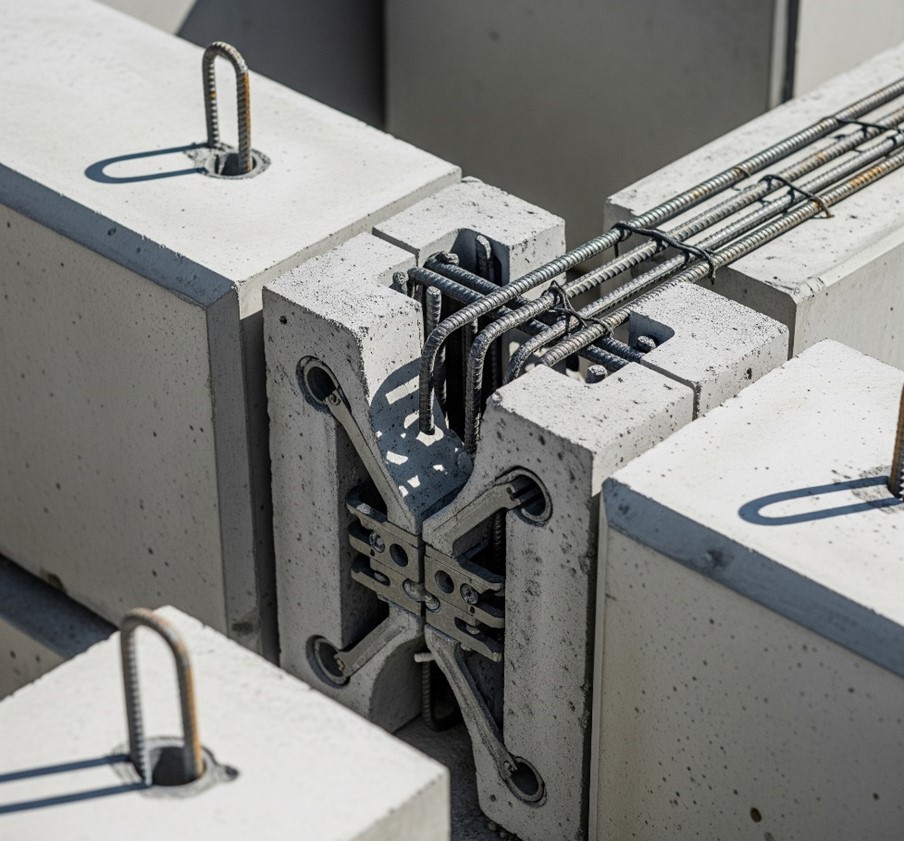
A key structural innovation in modular delivery is the use of semi-rigid modular joints, designed to act as passive energy dissipators. These connections enhance ductility and overall resilience in response to seismic activity or wind loads.
Resilience Meets Intelligence
Beyond speed, modular construction provides a framework for agile, adaptive urban growth. Whether addressing housing demand, population shifts, or climate change, modular systems offer scalable, repeatable, and structurally intelligent solutions.
Meanwhile, digital technologies continue to streamline delivery:
- AI-powered layout optimization reduces material usage and foundation loads.
- BIM-to-fabrication workflows increase accuracy and cross-discipline coordination.
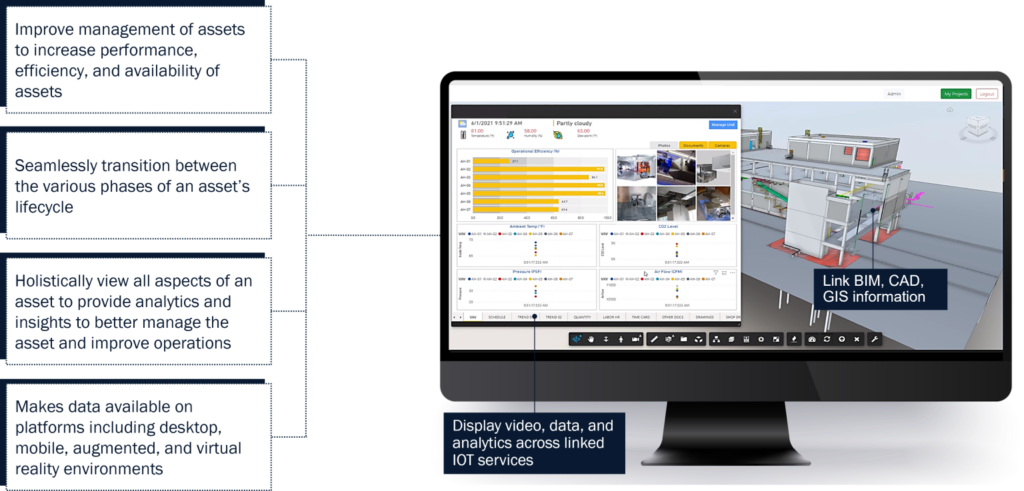
- Digital Twins and Asset Information Models (AIMs) support smarter operations and lifecycle planning, through real-time data integration, performance monitoring, and predictive maintenance insights across the asset lifecycle.
These technologies are embedded from the earliest design stages to align modular construction with project objectives and quality benchmarks.
In addition, Parsons offers its own digital twin solution, Paradim®—a cloud-hosted, software-agnostic platform for asset and data information management. Paradim® helps unlock the full value of legacy and commercial systems, providing organizations with reliable, real-time insights critical to operational performance and strategic planning.
Designing With Purpose
To unlock the full benefits of modular construction, a strategic shift in mindset is required:
- Design for manufacturing from the outset, not as a retrofit.
- Use BIM proactively, for fabrication modeling, carbon tracking, and asset integration.
- Engage stakeholders early, across disciplines—from structural and MEP to logistics and fabrication.
- Embed life cycle costing (LCC) into modular design strategies so that material choices, fabrication methods, and assembly systems deliver long-term value across the asset’s entire lifecycle—not just initial construction savings.
- Think beyond speed, and prioritize reuse, adaptability, and circularity in design.
Conclusion: The Future Is Scalable
The Middle East’s built environment demands more than rapid delivery—it requires foresight, resilience, and long-term sustainability. Modular construction, empowered by digital transformation, structural innovation, and data-driven planning, offers a smarter, scalable path forward for both buildings and cities.
So what if in the future cities could be built like LEGO? With modular innovation, that future is already under construction.